Why Antiques Belong in Contemporary Interiors
- Apr 11
- 4 min read
Updated: Apr 14
There is a vessel in our latest Design Edit that has been in use for over a hundred years. A 19th-century bronze urli from Kerala, South India, originally a cooking vessel, passed between hands, was used in kitchens, and was carried through generations. It arrived at us through Vinterior, and it is the piece we keep returning to. Not because it is rare. Not because it is expensive. Because it has weight, that weight, literal and otherwise, is what antiques bring to a contemporary interior that new pieces rarely can. And it is something we think about constantly when specifying for clients.
The problem with rooms that are entirely new
A space furnished entirely with new pieces tends to have a particular quality. Everything matches. Everything has that slight sheen of recent manufacture. The proportions are safe. The finishes are uniform.
It reads well in a showroom. It rarely reads as a home.
What is missing is evidence of time. Of accumulation. Of the fact that a real person lives there and has made considered choices over the years, not in a single weekend trip to a design quarter.
Antiques provide that evidence. Even a single piece, placed correctly, shifts the feeling of an entire room. It suggests that the space has been thought about, not simply purchased.

Why the Bronze Urli works
The bronze urli in Design Edit No. 5 is not decorative in the conventional sense. It was never intended to be. It is a functional vessel - deep, heavy, beautifully proportioned that has earned its presence through use rather than design intent.
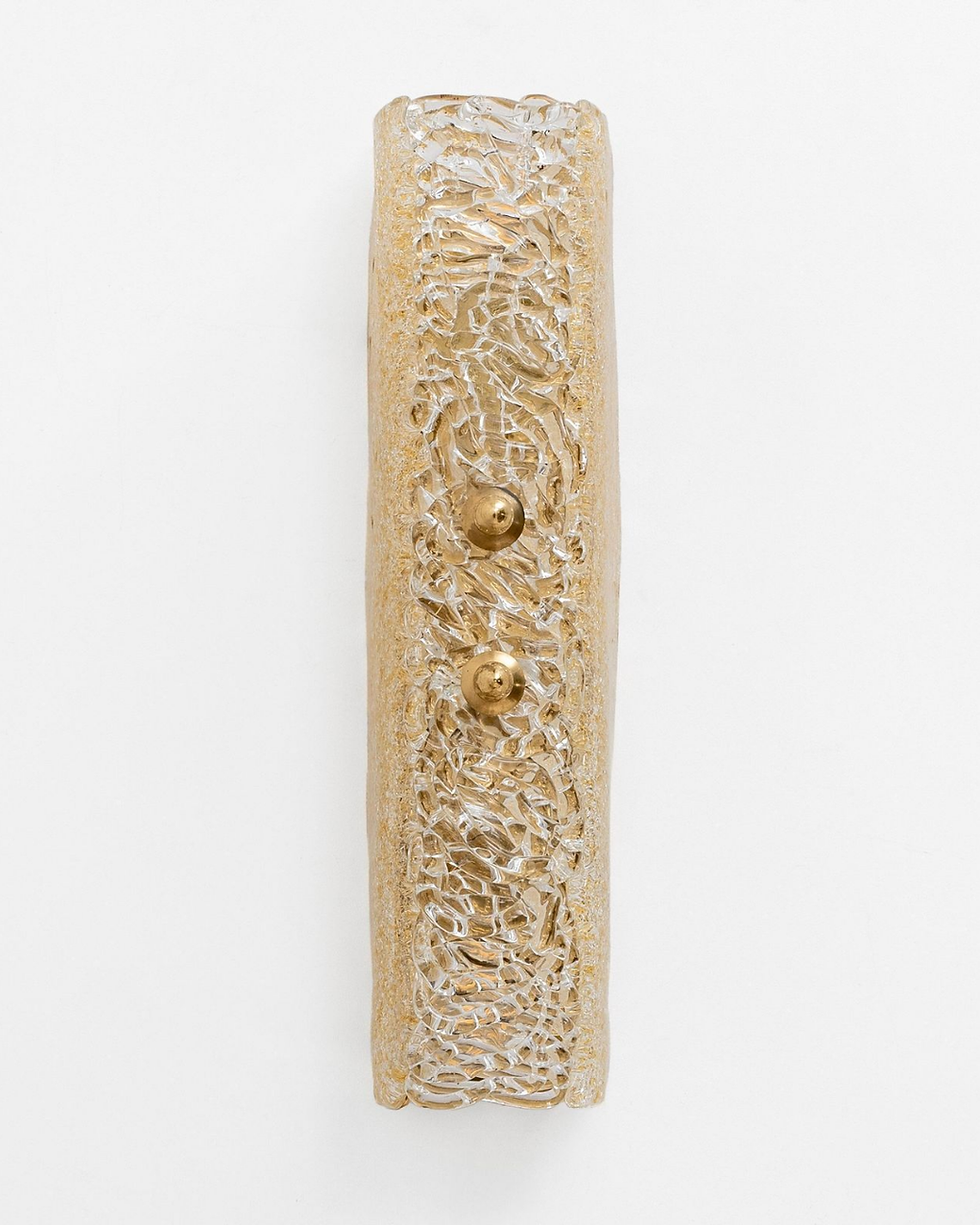
That history lives in the patina. The surface is not uniform. It has the marks of time in a way that no artificially aged finish can replicate. When you place it alongside a Ferm Living coffee table in dark-stained burl, or beneath Murano glass sconces, those contrasts do not create tension; they create depth.
The contemporary pieces gain authority from proximity to something older. The antique gains a new context, letting you see it clearly.
This is what we mean when we talk about slow luxury. Not newness. Not finish. Pieces that have earned their place.

How to integrate antiques without the room feeling confused
The concern clients raise most often is coherence. If everything else is contemporary, won't an antique feel out of place?
In our experience, the opposite is usually true, but the approach matters.
Choose form over period. The best antiques to mix with contemporary interiors are those where the form is essentially timeless. A simple bronze vessel. A hand-thrown ceramic. A piece of carved stone. These do not read as belonging to a specific era; they read as objects with inherent rightness of shape.
Let the material do the work. An antique bronze next to a burl wood coffee table - both are natural materials with visible grain and texture. The connection is material, not stylistic. That is a much stronger relationship than matching periods or colours.

One is usually enough. A single antique piece in a room creates a focal point and a conversation. Multiple antiques in a contemporary room can start to feel curatorial — more like a collection than a home. We tend to specify one significant antique per space and let it breathe.
Consider provenance as part of the specification. When we present a piece to a client, we include its history. Where it came from. What it was used for. That context changes how the client relates to the object and how they talk about their home to guests. It adds a layer of meaning that a new piece simply cannot offer.
Where to find the right pieces
Vinterior is where we source most of our antique and vintage pieces - the Bronze Urli in this edit, and the Murano glass sconces, both came from there. The platform is curated, vetted, and wide enough that you can search by material, period, and style. For London clients, it is also the most accessible starting point.
Beyond that: auction houses (Dreweatts, Chiswick Auctions), specialist dealers in markets like Portobello and Bermondsey, and - for those who travel - flea markets abroad, where the quality-to-price ratio can be extraordinary.
The key is patience. You are not looking for the perfect piece immediately. You are looking for the piece that will still feel right in ten years.
The edit as a whole
Design Edit No. 5 is built around this idea - richness with restraint. The antique bronze urli sits alongside a contemporary burl wood coffee table, a handblown Murano glass sconce, and a hand-woven wool rug. Each piece is chosen for its material quality and the way it holds a room without demanding attention.
You can explore the full edit here: kachi-interiors.com/edit-05
Kachi Interiors is a London-based luxury residential interior design studio. We work with private homeowners in London and internationally - from full renovations to remote design packages.
Disclaimer: Kachi Interiors is sharing these product ideas for inspirational purposes only. We do not receive any promotional benefit or commission from the suggested retailers or product types. We are not responsible for the quality, availability, pricing, or your satisfaction with any third-party products or orders you may place based on these suggestions. Always conduct your own research before making a purchase.


